Migraines are in your head: understand the causes and relieve them with massages
Did you know that Vincent van Gogh probably suffered from migraines? In his letters he describes flashes of light and visual disturbances - symptoms that are now considered typical of migraines with aura. A slight throbbing in the temple, a dull pressure behind the eyes – this is often how a normal headache begins. But things are different with migraines. Instead of passing, an intense, pulsating pain sets in that can last for hours or even days. There are also symptoms such as sensitivity to light and noise, nausea or visual disturbances. Millions of people are affected worldwide, but the...

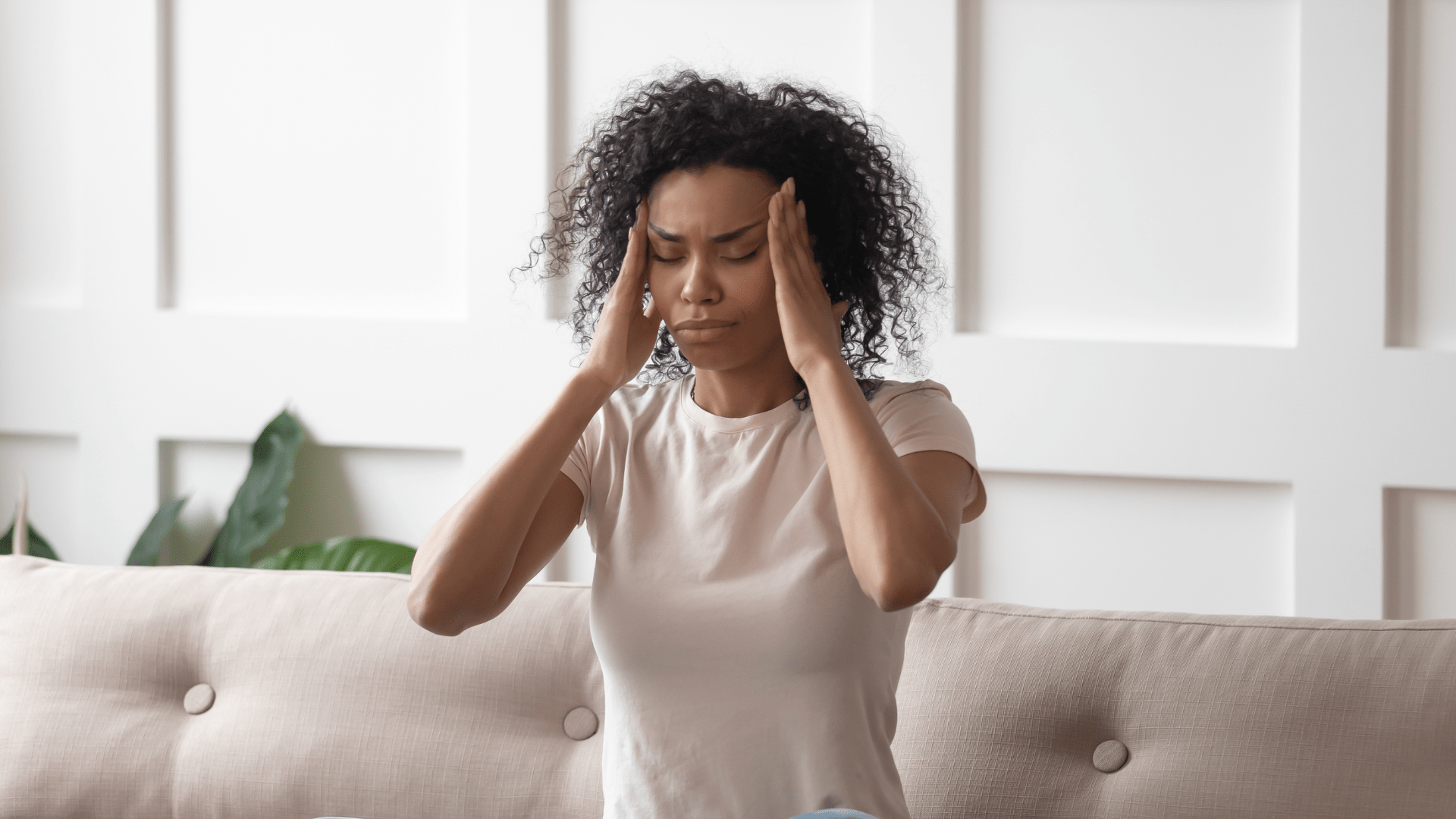
Did you know that Vincent van Gogh probably suffered from migraines? In his letters he describes flashes of light and visual disturbances - symptoms that are now considered typical of migraines with aura.
A slight throbbing in the temple, a dull pressure behind the eyes – this is often how a normal headache begins. But things are different with migraines. Instead of passing, an intense, pulsating pain sets in that can last for hours or even days. There are also symptoms such as sensitivity to light and noise, nausea or visual disturbances. Millions of people are affected worldwide, but the causes are not fully understood.
Those affected know: A migraine attack can completely paralyze everyday life. What is behind this neurological disease, how does it differ from normal headaches and are massages for migraines a means of relief?
Reading tip: discover, how massages from head to toe can help with a wide range of complaints – find out more now!
What is Migraine?
Migraine is a neurological disease that is accompanied by recurring, often severe headaches. It affects the entire nervous system and can occur with a variety of accompanying symptoms. Migraines go far beyond “classic” headaches.
Migraines vs. normal headaches – what’s the difference?
Many people confuse migraines with traditional headaches. While tension headaches usually occur on both sides and manifest as dull pressure, migraines are often one-sided and pulsating. The pain often worsens with movement, and sufferers are sensitive to light and noise.
What types of migraines are there?
Not all migraines are the same. Depending on the severity, intensity and accompanying symptoms, doctors differentiate between different forms of this disease:
-
Migraine without aura: occurs suddenly and without sign.
-
Migraine with aura: is announced by neurological symptoms such as flickering, speech problems or tingling.
-
Chronic migraines: more than 15 migraine days per month.
-
Vestibular migraine: associated with dizziness, balance problems and nausea.
It is helpful for those affected to know their own type of migraine - because this determines which treatment options work best.
Causes and triggers – why do migraines occur?
Although the exact causes of migraines are not yet fully understood, there are some known factors that can promote attacks. Hyperexcitable nerve cell activity in the brain is considered the main cause. This can be “triggered” by certain stimuli and then sets off a chain reaction that ultimately leads to the typical migraine.
What factors can trigger a migraine attack?

Not all migraines are caused by the same stimuli. Common triggers are:
-
Stress and emotional tension: Migraine attacks often occur during the transition from tension to relaxation.
-
Nutrition: Certain foods such as chocolate, aged cheese, alcohol or drinks containing caffeine can trigger attacks.
-
Change in weather: Some migraine patients also react sensitively to particularly abrupt fluctuations in temperature or air pressure.
-
Hormonal fluctuations: Many women experience migraine attacks related to their cycle or hormonal changes.
-
Lack or excess of sleep: An irregular sleep rhythm can promote migraines.
-
Tensions: People who sit a lot and are under stress are often prone to muscle tension - a factor that can increase or even trigger migraine attacks.
Symptoms and course – How does migraine appear?
Migraine attacks typically progress in several phases. An attack usually lasts a few hours, but can also last several days. The symptoms are quite diverse.
Typical symptoms of migraines:
-
One-sided, pulsating headache – usually in the forehead, temple or eye area.
-
Sensitivity to light and sound
-
Nausea and vomiting
-
Concentration problems and exhaustion
Migraine with aura vs. migraine without aura
Not every migraine attack is announced, but around a third of those affected experience neurological symptoms known as aura. These include flickering or flashes of light in the field of vision, tingling or numbness, speech disorders or dizziness.
The headache usually sets in after about 20 to 60 minutes. However, those who do not experience an aura often only notice that an attack is imminent when the first pain occurs.
How long does a migraine attack last?
A migraine attack can occur between 4 and 72 hours take time – sometimes longer. The duration and intensity vary greatly from person to person.
Treatment options – What helps with migraines?
Depending on the severity and frequency of the attacks, some sufferers can achieve relief with simple measures. For more intense attacks, a combination of medication and non-medication methods may be used.
What medications are available to treat migraines?
• Painkillers: For mild to moderate attacks, over-the-counter medications such as ibuprofen or paracetamol can help.
• Triptans: These medications, specifically developed for migraines, constrict the dilated blood vessels in the brain and can slow down the attack.
• Antiemetics: If severe nausea occurs, medications such as metoclopramide or domperidone are often used as a supplement.
Note: Since migraine is a neurological disease, you should always discuss taking medication with a doctor.
Which non-drug treatments are useful for migraines?

Of course, there are also complementary methods to reduce the frequency and intensity of migraine attacks. The following have proven particularly useful:
-
Relaxation techniques: Progressive muscle relaxation, meditation or breathing exercises help minimize stress as a trigger.
-
movement: Regular, moderate exercise can have a preventative effect, but intensive physical exertion during an attack is counterproductive.
-
Diet change: Avoiding individual trigger foods can help reduce migraine attacks.
-
Cold or heat applications: Ice packs or warm compresses on the forehead or neck can provide relief, depending on individual feelings.
Tip: You can find out more about massages and their effect on chronic pain in our article „Chronic pain and massage“.
Massages for migraines – how they work and techniques
Migraines are often associated with tension in the neck, shoulders and head areas. It is therefore obvious that gentle massages can help to relieve these muscle stiffnesses. They promote blood circulation and thus reduce possible triggers. They have a calming effect on the nervous system, reduce stress levels and promote relaxation - an important aspect in migraine prevention.
Which massage techniques are particularly effective?
-
Neck and shoulder massage: Gentle kneading and stroking can relieve tension that promotes migraines.
-
Acupressure: By applying targeted pressure to specific points – e.g. B. between eyebrows or on the temples - pain can be relieved.
-
Scalp massage: A gentle massage of the scalp promotes blood circulation and relaxes the muscles.
Initial scientific studies indicate that massages can be a promising, supportive measure against migraines. A controlled study investigated the effect of classic massage and lymphatic drainage for migraine prevention. The results showed that both forms of therapy led to a reduction in migraine attacks
Reading tip: You can find out more about the positive effect of massages on the psyche in our article „The effect of massage on the nervous system.
Massage chair as targeted support against migraines
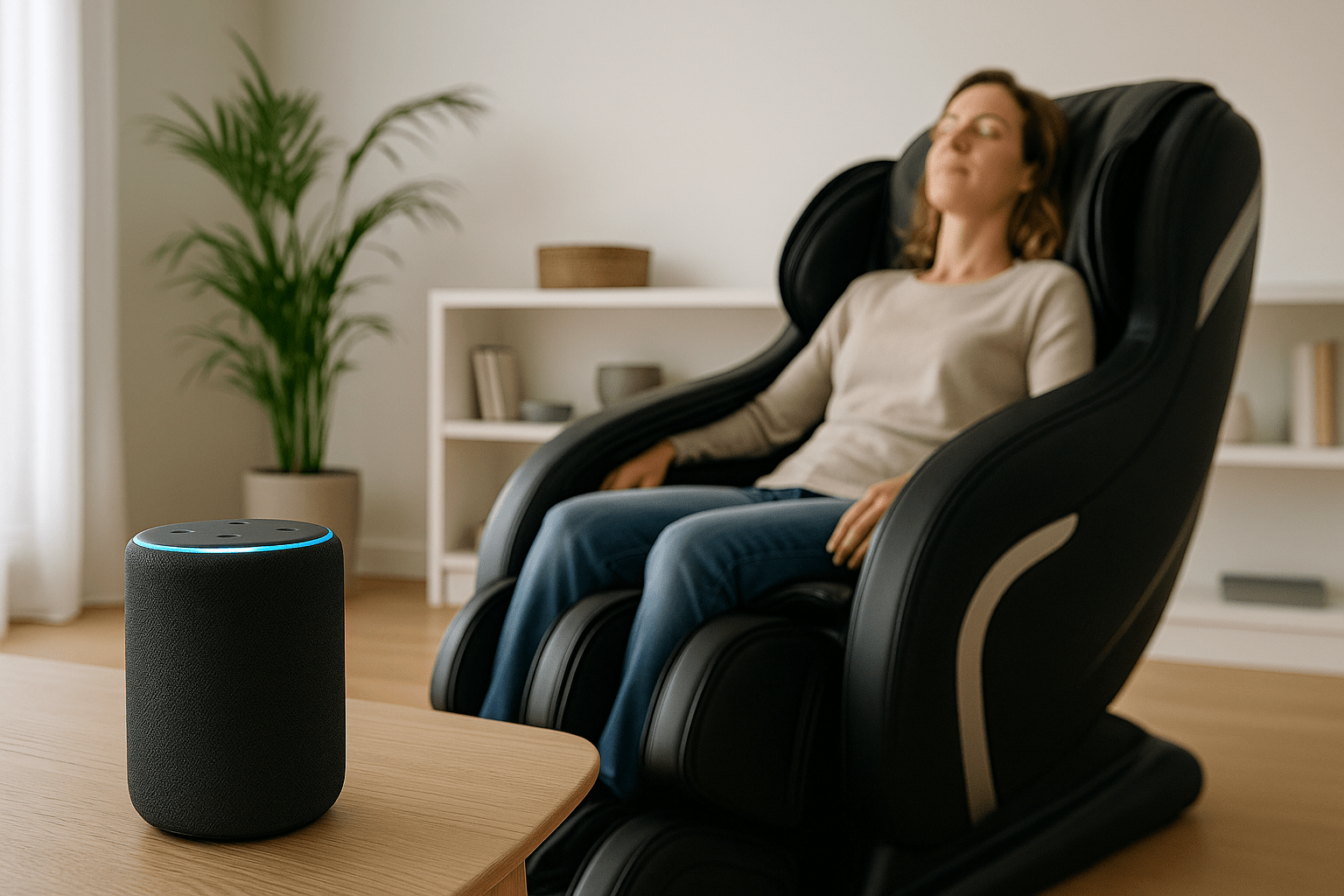
Since tension in the neck and shoulder area is one of the most common factors in migraines, massages are a great method for relief. Gentle massage techniques paired with the application of heat can promote blood circulation and relax muscle stiffness. Many models offer special programs for the head and neck area that help relax the entire body.
A massage chair offers an uncomplicated way to consciously take time out in everyday life and reduce inner tension.
Reading tip: Is a massage chair worth investing in your health? Find out more in our article „Is a massage chair worth it?”.
Prevention – What helps to prevent migraines?
Migraines cannot be cured, but they can be significantly influenced. If you know your personal triggers and take targeted countermeasures, you can reduce the frequency and intensity of the attacks. These measures have proven particularly effective in prevention:
-
Reduce stress – e.g. B. through meditation, yoga or mindfulness
-
Enough sleep – neither too much nor too little
-
movement – regular moderate activity
-
Recognize individual triggers – e.g. B. Keep a migraine and food diary
-
Prevent tension – through targeted massages or physiotherapeutic exercises
Clear your head – This is how you can get migraines under control
Van Gogh probably didn't have his migraines under control. You can do better! Although migraine is a complex neurological disease, a lot can be achieved with the right self-care.
Massages against migraines provide additional support: They loosen muscles, promote blood circulation and ensure soothing relaxation - whether through manual applications or a massage chair. Take time for yourself regularly and you will notice how the frequency and intensity of your migraines can improve.
Cover image: fizkes, additional images: Rido, Idil Demir
Mitgründer und Geschäftsführer der Massagesessel Welt. Mit seinem Expertenwissen und seiner Branchenkenntnis hilft er, Privatpersonen und Unternehmen zu passenden Massagesessels für Entspannung, Gesundheit und Vitalität zu finden. Die individuelle Fachberatung erfolgt sowohl telefonisch oder per Videochat, als auch in der Ausstellung vor den Toren Stuttgarts.