Solve neck pain: causes, tips and the power of heat
On average, our head weighs five kilograms, about as much as a full watermelon. It's no wonder that our necks quickly become overwhelmed when they have to carry this load all day long - especially when we have poor posture or stress. In fact, neck tension is now one of the most common complaints caused by our modern lifestyle. Whether due to long hours in front of the screen, one-sided strain or psychological stress - the neck is often the one to suffer. But how does neck pain actually arise, and why is it rarely just a short pulling sensation?...

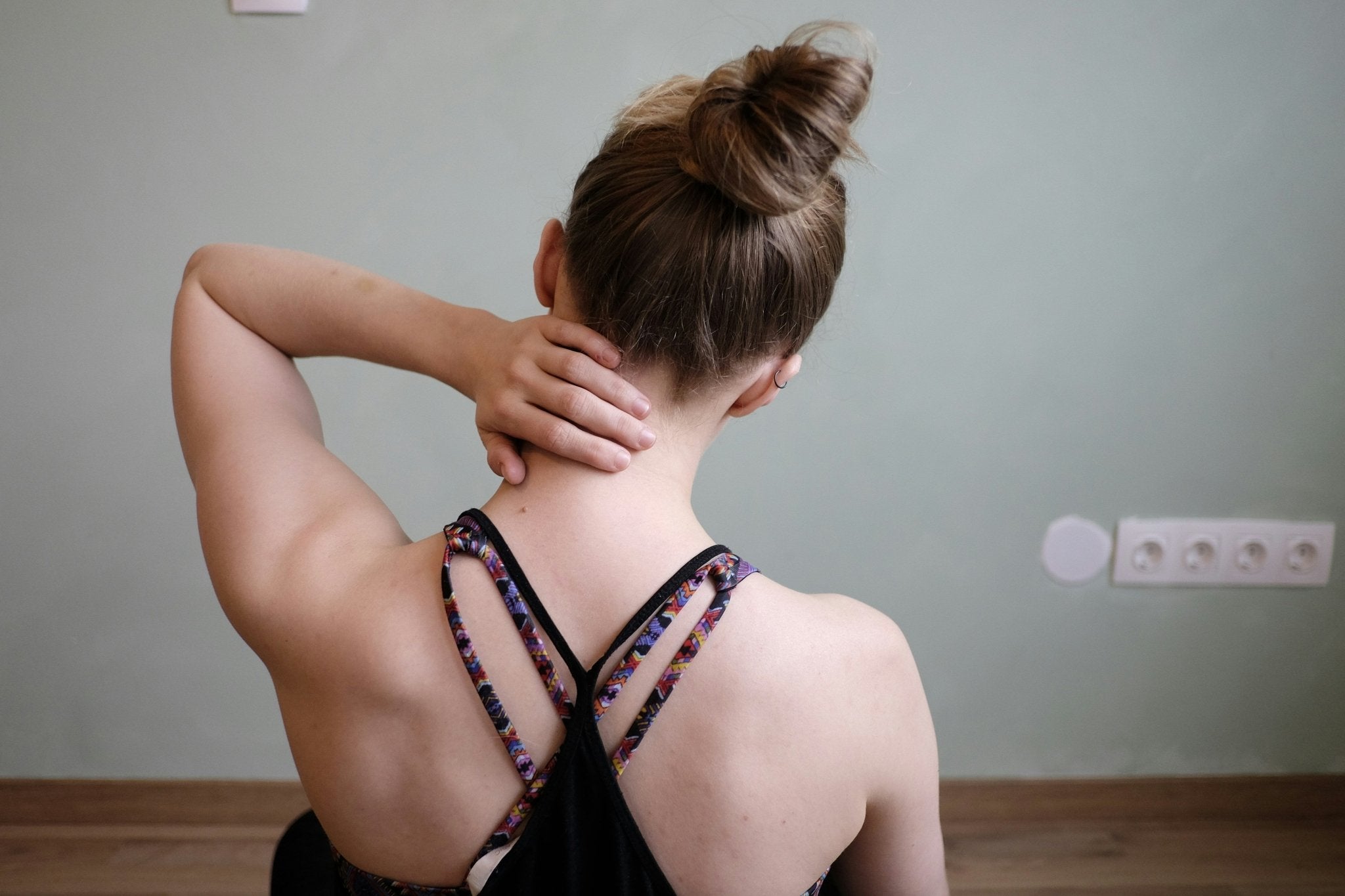
On average, our head weighs five kilograms, about as much as a full watermelon. It's no wonder that our necks quickly become overwhelmed when they have to carry this load all day long - especially when we have poor posture or stress.
In fact, neck tension is now one of the most common complaints caused by our modern lifestyle. Whether due to long hours in front of the screen, one-sided strain or psychological stress - the neck is often the one to suffer.
But how does neck pain actually arise, and why is it rarely just a short pulling sensation? In this post, we'll look at how we can solve neck pain and get to the bottom of the matterwhat is behind the complaints.
Note: This post does not replace medical advice. If symptoms persist or are severe, you should consider a medical examination.
Typical causes of neck pain - why tension often doesn't stop
It often starts with a slight pulling or a tense feeling - but if left untreated, neck pain can quickly become chronic. One of the most common causes is poor posture, for example when sitting for long periods of time at work or excessive use of smartphones. This puts permanent strain on the neck muscles and causes them to become tense over time.
Stress also plays a big role. Those who are tense often unconsciously hunch their shoulders or keep their head stiff - a classic trigger for muscle tension. Sudden muscle overload, for example through physical work, incorrect lifting or an unusually strenuous workout, has a similar effect.
So somehow a lot of it can be traced back to a lack of exercise. Anyone who barely moves or stays in an awkward position for a long time promotes hardening and poorer blood circulation. Of course, illnesses such as osteoarthritis or intervertebral disc problems can also lead to neck pain. Likewise, an incorrect sleeping position prevents the muscles from relaxing at night. Last but not least, emotional strain and stress have a greater impact on the muscle corset than many people assume.
Reading tip: If you want to learn more about the effects of tension, take a look at our article Desk tension and how to solve it.
Symptoms of neck pain – usually more than just tension
Neck pain is not only manifested by an unpleasant pulling or stabbing sensation in the neck area. Additional symptoms often arise that can severely impact everyday life - especially if the pain is neglected for too long.
Many affected people complain about Movement restrictions, for example if turning or tilting the head is painful or only possible to a limited extent. Also radiating pain in the shoulders, arms or even into the hands are not uncommon. Another common accompanying symptom is Tension headaches, which result from tight muscles and often feel pushing or pulling.
In some cases even come Dizziness, numbness or tingling in the arms when nerves are irritated by muscle tension or an awkward posture. Also Concentration problems and general exhaustion are typical side effects, as persistent pain puts strain on the body and causes stress. To prevent things from getting that far, you should take action quickly.
Neck pain – what to do? Immediate measures for relief
When you're plagued by neck pain, your goal is quick relief. So let's take a look at the measures that will help alleviate your symptoms:
-
Warmth: Whether it's a hot water bottle, a cherry stone pillow or a warm bath - heat can help to promote blood circulation and gently relieve tension.
-
Ergonomic adjustments: Incorrect posture in the office is often the main trigger. A height-adjustable chair, an adjusted monitor height or an ergonomic mouse can provide long-term relief.
-
Massages: They loosen tense muscles and help improve blood circulation. You can find out more about this in the “Massage for neck pain” section.
-
Massagers: An alternative to classic massage are massagers for the neck. They can target tense areas and can be used from the comfort of your own home.
-
Exercise & stretching: Regular, gentle exercise prevents muscles from hardening. Special exercises for the neck can provide additional support.
If tension occurs more frequently, you should consider taking proactive preventive measures.
Relieve neck pain: Effective exercises – exercise as the key to relief
Targeted exercises can help relieve neck tension, strengthen the muscles and prevent new problems. Here are a few effective methods you can use to reduce the risk of neck pain yourself:
-
Stretching exercises: Gently stretching the side neck muscles can help relieve tension. To do this, simply tilt your head slowly to the side until you feel a stretch.
-
Mobilization: Small, circular movements of the head promote mobility and prevent muscles from “rusting”.
-
Strengthening exercises: Strong muscles support the neck. A simple exercise is the “double chin trick”: Push your head back slightly to create a double chin - this trains the deep neck muscles.
Regular use of these exercises can help stabilize the muscles and prevent pain in the long term. But what if acute tension doesn't go away through exercise alone? A targeted one can be done here Massage for neck pain act supportively.
Reading tip: You can find out more about targeted pain management strategies in our article „Pain management – how massages can help”.
Massage for neck pain – How it can help
Anyone who has received one knows that a targeted massage can work wonders. Especially if tension is blocking your neck, the gentle but effective techniques can help to loosen muscles, the to promote blood circulation and thus relieve pain. There are various options, depending on personal preference and severity of the symptoms.
Manual massages, for example by physiotherapists or trained masseurs, can specifically work on deep-seated tensions. But one is also suitable for everyday use Self-massage, where you apply gentle pressure to hardened areas with your fingers or a foam roller. Another option are mechanical massagers, which provide a convenient way to treat tight muscles. But here too it depends on the technology.
Resolve neck pain: Which massage techniques are particularly suitable?
The neck muscles are relatively sensitive, which means that not every massage technique is suitable for this area. Gentle and relaxing techniques such as:
-
Swedish massage: Classic stroking and kneading movements promote blood circulation and relieve tension.
-
Trigger point massage: Targeted pressure on muscle knots helps to loosen stubborn tightness.
-
Lymphatic drainage: Gentle technique to reduce swelling and support detoxification.
-
Shiatsu: Pressure on energy points releases blockages and activates the self-healing powers.
If you regularly struggle with neck tension, massages can provide long-term relaxation, which also makes massage chairs an excellent option for relief.
Massage chair for neck pain – relaxation at the touch of a button
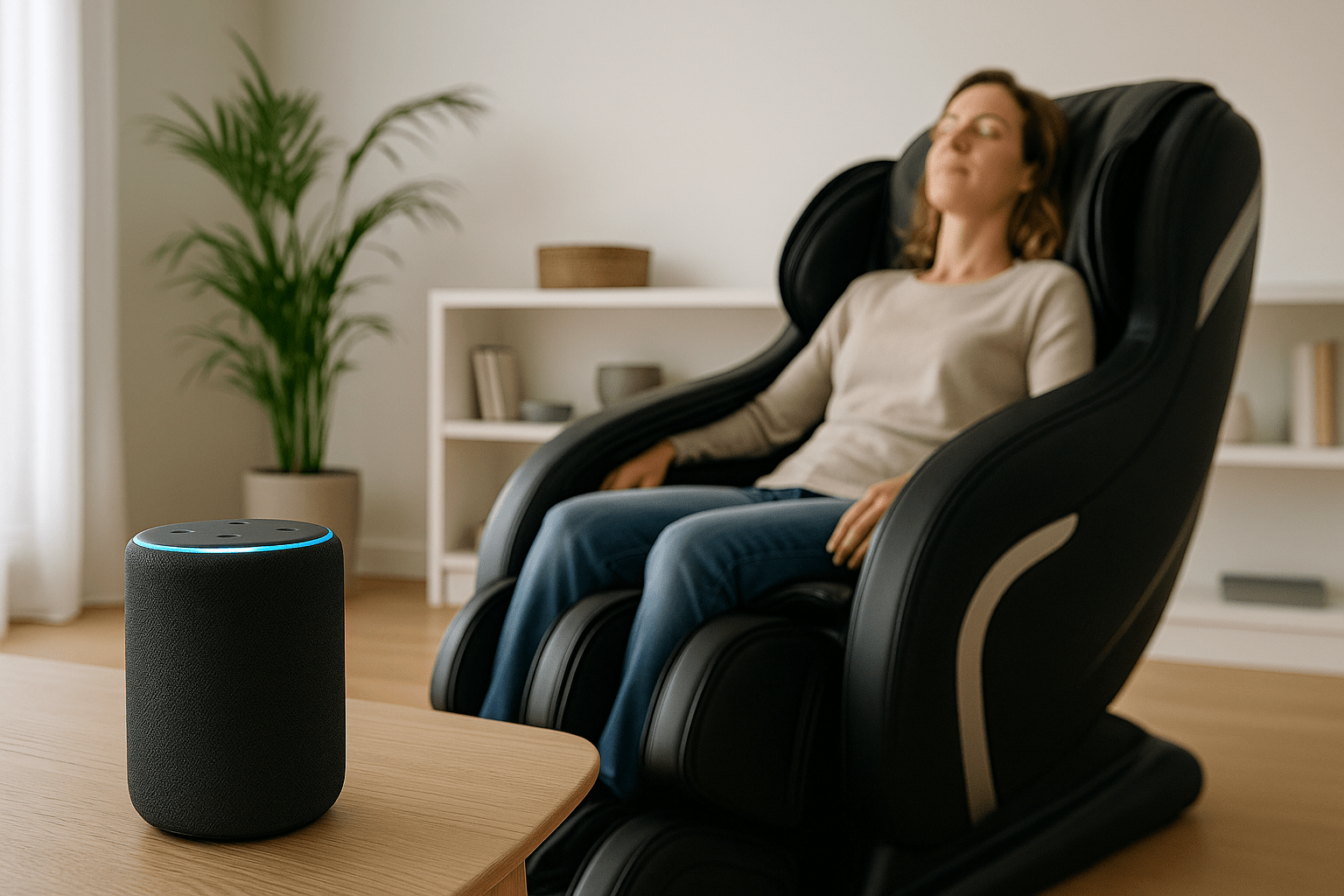
Most of these massage techniques can be used specifically using massage chairs, often supplemented by soothing heat therapy. With individually adjustable programs for the neck and shoulder area, they loosen tense muscles, promote blood circulation and support deep relaxation.
Particularly practical: They can be used at any time without waiting or an appointment - a long-term solution for anyone who regularly suffers from neck problems.
Prevention: This is how you can prevent neck pain
If you want to avoid neck pain, you should pay attention to good ergonomics - whether at work or at home. A height-adjustable desk, the right monitor height, and a supportive pillow can help.
Regular exercise, such as walking or gentle stretching and shoulder circles, keeps the muscles supple. Even small breaks in which you stand up, stretch and tense and relax your muscles can provide relief.
Make sure to hold your phone at eye level to avoid a so-called “tech neck”. In addition, yoga or back exercises can both strengthen and relax the muscles.
Conscious relaxation is also important: Stress promotes tension, so breathing exercises and mindfulness can have a big impact in everyday life. In addition, massage chairs offer effective support to relieve the strain on the neck.
More relaxation, less pain: take the solution to your tension into your own hands
Neck pain is not a fate, but often the result of small habits. The good news: You can actively do something about it. A lot can be achieved with better posture, more exercise and targeted relaxation techniques.
Massages - whether from professionals or with a massage chair - help to relieve tension and prevent it in the long term. Start today with small changes and feel how relief and relaxation spread across your neck area.
Mitgründer und Geschäftsführer der Massagesessel Welt. Mit seinem Expertenwissen und seiner Branchenkenntnis hilft er, Privatpersonen und Unternehmen zu passenden Massagesessels für Entspannung, Gesundheit und Vitalität zu finden. Die individuelle Fachberatung erfolgt sowohl telefonisch oder per Videochat, als auch in der Ausstellung vor den Toren Stuttgarts.